Forklifts are essential in various industries, from warehouses to construction sites. However, they also pose significant risks due to their size, weight, and the speed at which they operate. According to the U.S. Department of Labor, 614 workers are injured each year in forklift-related accidents. One of the most effective ways to reduce these incidents and enhance safety in environments where forklifts operate is through proper forklift lighting. In this article, we'll explore why forklift safety lights are crucial, how they help prevent accidents, and the different types of lights that can make a big difference.
1. Why Are Forklift Safety Lights Important?
Forklift accidents are often caused by poor visibility and lack of awareness of the forklift's movements. Effective lighting solutions, including headlights, reverse lights, and specialized warning lights, play a vital role in improving safety in environments where forklifts are commonly used. Let's dive deeper into why forklift safety lights are so crucial.

1.1. Forklift Lighting: OSHA Safety Requirements
The Occupational Safety and Health Administration (OSHA) outlines specific safety standards for forklifts used in industrial settings. These standards aim to prevent injuries and fatalities related to forklift operation. Under OSHA's 1910.178 regulation, it is essential for forklift operators to have proper lighting for visibility, especially when operating in low-light environments or around other workers. OSHA mandates that:
- Headlights are required for nighttime operation or when visibility is impaired.
- Reverse lights are needed to indicate when a forklift is moving backward.
- Warning lights or beacons are often recommended for busy or high-traffic areas to alert other workers of an approaching forklift.
By ensuring your forklift meets these standards, you reduce the risk of accidents, help your facility stay compliant with OSHA regulations, and create a safer working environment.
1.2. Forklift Headlights
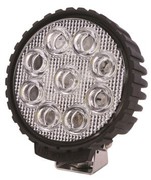
Headlights on forklifts are critical for clear visibility, especially when operating indoors or in low-light environments. They illuminate the path ahead, making it easier for forklift operators to spot obstacles, other workers, or hazardous areas. Additionally, forklifts should be equipped with high-quality, bright headlights to ensure optimal performance in poorly lit environments like warehouses, factories, or construction sites.
1.3. Forklift Reverse Lights
Reverse lights on forklifts serve as a warning to other workers that the forklift is moving in reverse. This is especially important in high-traffic areas where workers may not always notice the forklift. Reverse lights are often brighter and more noticeable than regular headlights, making them ideal for indicating backward motion in a busy warehouse environment.
2. How Do Accidents Happen Around Forklifts?
Understanding the causes of forklift accidents is crucial in addressing how lighting can help prevent them. A variety of factors can contribute to forklift-related incidents, many of which stem from poor visibility and human error.

2.1. Electric Forklifts Are Noiseless
Electric forklifts, while eco-friendly and quieter than their gas-powered counterparts, lack the sound of an engine to alert workers to their presence. This makes them harder to detect, particularly in busy or noisy environments. Without the auditory cues of engine noise, workers may not notice a forklift until it's too late.
2.2. Workers Become Complacent
In environments where forklifts are frequently used, workers may become complacent or inattentive. They may assume that the forklift operator can always see them or that they are visible to the forklift operator. This false sense of security can lead to accidents, especially when workers are not actively aware of the forklift's movements.
2.3. Workers Wear Noise-Blocking Helmets
In certain environments, workers are required to wear protective gear such as noise-blocking helmets to safeguard against hearing damage. While these helmets are important for protecting workers' hearing, they can reduce the worker's ability to hear approaching forklifts.
2.4. They Don't Pay Attention
In a fast-paced work environment, workers may not always be aware of the forklift's presence due to distractions, fatigue, or multitasking. These distractions can lead to a lack of awareness, resulting in accidents.
3. Accidents Can Be Prevented by Using Red and Blue Safety Lights
Safety lights play a crucial role in forklift safety by providing clear visual cues that warn workers of the forklift's presence, direction, and movement. Both red and blue lights are particularly effective in preventing accidents in busy work environments. Let's explore how these safety lights work to reduce accidents and improve overall safety.
Purpose of Forklift Warning Lights
Forklift warning lights are designed to alert workers of the forklift's movements, such as when it is moving forward, reversing, or approaching an intersection. These lights act as visual indicators, helping to prevent collisions and keep workers aware of the forklift's presence. The two most common types of warning lights are blue and red.

4. Types and Recommendations for Forklift Warning Lights
There are several types of forklift warning lights available, each with its specific function. Let's take a look at the most common types: blue and red safety lights.
4.1. Blue Forklift Safety Lights Indicate Forward and Reverse Motion
Blue forklift safety lights are typically mounted on the sides or the rear of the forklift. These lights are designed to indicate when the forklift is moving forward or in reverse. The blue light creates a visible path of light that extends out from the vehicle, helping workers identify the forklift's movement direction and avoid collisions.
Why Blue Safety Lights Improve Safety:
- Enhanced Visibility: Blue lights are highly visible and stand out in most environments, making it easy for workers to see the forklift's movement.
- Clear Communication: A blue light indicates forward or reverse motion, providing a clear and immediate warning to workers in the vicinity.
- Reduction of Blind Spots: The light's spread helps to eliminate blind spots, ensuring that workers can see the forklift from a greater distance.
4.2. How Blue Safety Lights Improve Safety
Blue safety lights are particularly effective in warehouses or crowded environments where visibility can be limited. These lights help workers in areas of low light or where multiple forklifts are operating. When workers see the blue light, they understand that a forklift is either approaching or moving, and they can take appropriate precautions to avoid accidents.
4.3. Red Forklift Safety Lights Indicate Safe Side Distance from Forklift
Red safety lights, on the other hand, are typically used to indicate safe distances on the side of the forklift. They highlight the space where other workers should maintain a safe distance from the forklift. These lights are often mounted at the rear or sides of the vehicle.
Why Red Safety Lights Improve Safety:
- Clear Boundaries: Red lights clearly mark the safety zone around the forklift, warning workers to stay at a safe distance.
- Improved Awareness: The bright red light signals a boundary that warns workers when they are too close to the forklift.
- Prevention of Collisions: By maintaining a visible safety zone, red safety lights help reduce the risk of side-impact collisions between forklifts and pedestrians.
4.4. How Red Safety Lights Improve Safety
Red safety lights are ideal for preventing collisions between forklifts and workers on foot. By ensuring that there is a clearly marked boundary, red lights help workers understand where it is safe to walk and where they should avoid getting too close. This is especially critical in busy environments where workers and forklifts share tight spaces.

5. Blue and Red Safety Lights Help Warn Other Drivers
In addition to increasing worker safety, blue and red forklift safety lights also provide important visual cues for other vehicle operators within the facility. This includes other forklift operators, delivery drivers, or anyone else who may be operating heavy machinery nearby. With the help of these safety lights, forklift operators can ensure that other drivers are aware of their presence and movements, preventing potential accidents caused by unintentional collisions.

6. The Most Important Considerations for Forklift Safety Lights
When choosing forklift safety lights, there are several factors to consider to ensure the lights will be effective in improving safety. These considerations include:
- Brightness and Visibility: The lights should be bright enough to be seen clearly in a variety of lighting conditions, including low light and crowded areas.
- Durability: Forklift safety lights should be durable and capable of withstanding the harsh conditions of the work environment, such as dust, moisture, and impact.
- Ease of Installation: Choose lights that are easy to install and compatible with your forklift model.
- Battery Life and Power Source: Ensure the lights are powered efficiently and have a long battery life for continuous use.
keyword:best warehouse security system,best security system for warehouse,best security camera system for warehouse tampa,best security camera system for warehouse,access control systems for warehouse security